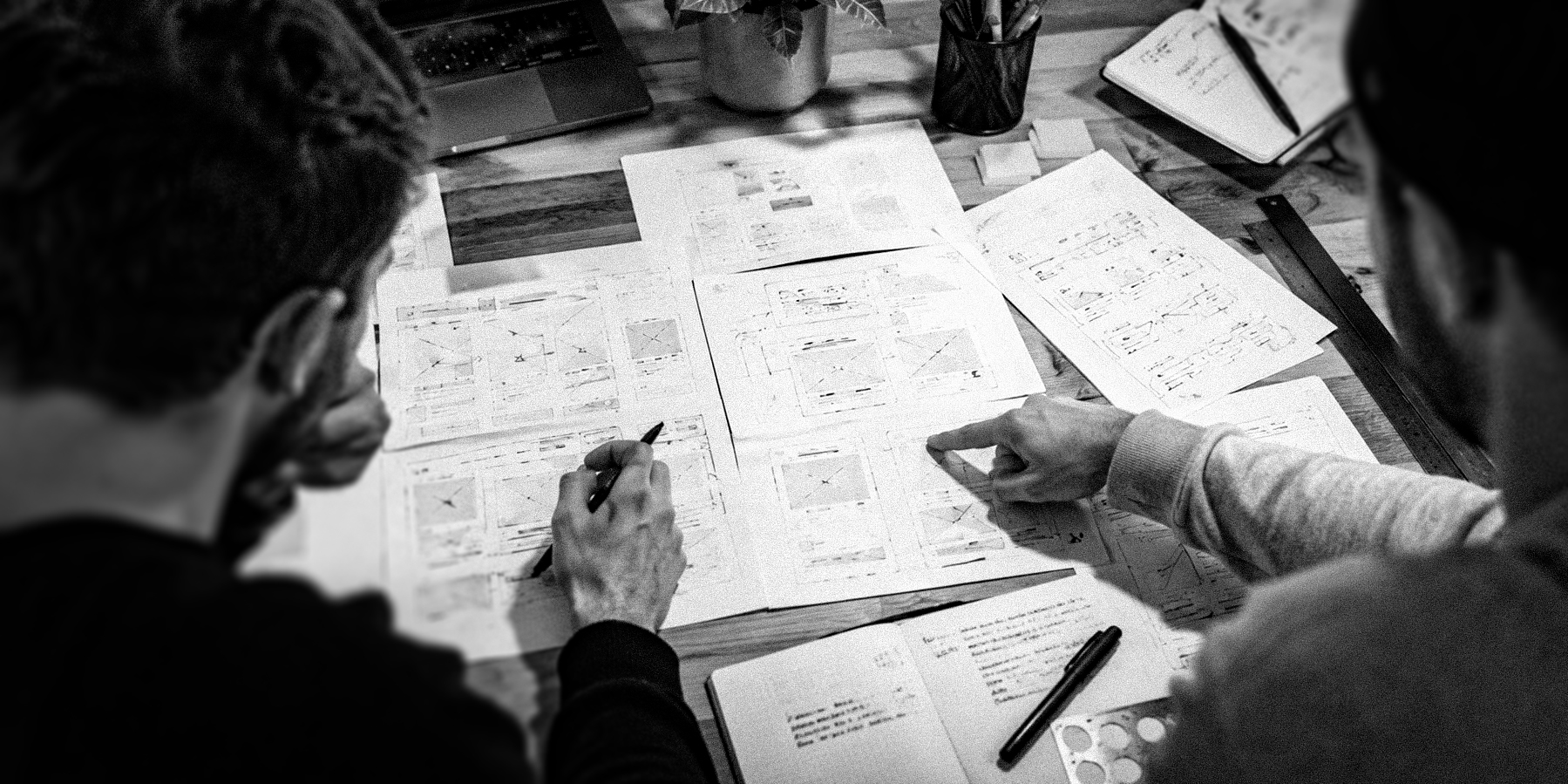
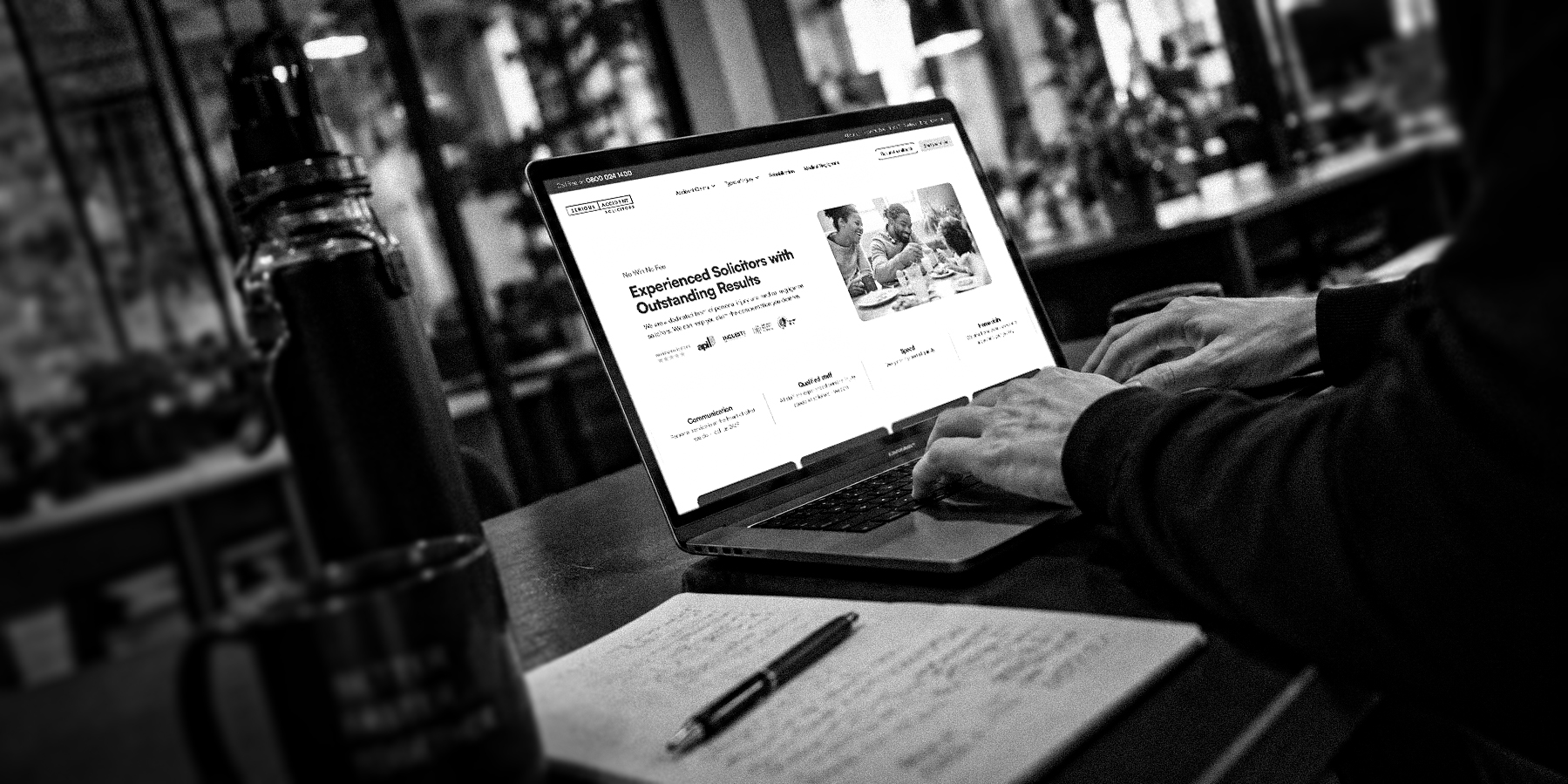
Why complex user journeys need prototyping before development begins

Some websites have straightforward journeys. A potential customer lands, reads about the service, and gets in touch. The path is clear, the interactions are standard, and established patterns handle most of the experience. For these projects, prototyping adds cost without adding insight.
But not every website works that way.
When a product involves multi-step flows, conditional logic, integrations with external systems, or functionality that goes beyond standard patterns, the risk changes. These are the journeys where small issues compound into significant problems, where assumptions made in design create expensive surprises in development, and where the gap between what was envisioned and what actually gets built quietly undermines conversion.
This is where prototyping earns its place. Not as a step every project needs, but as a focused tool for validating complex journeys before development begins.
Where the real cost comes from
The cost of getting a complex journey wrong doesn't show up in design. It shows up later.
Development timelines stretch because functionality wasn't fully understood when designs were approved. Compromises get made because what was designed turns out to be technically difficult, or impossible within budget. Features get descoped entirely, leaving gaps in the experience that hurt conversion. In some cases, entire sections need to be reworked after development has already begun.
These problems rarely happen because anyone made an obvious mistake. They happen because polished designs create confidence that the thinking is complete, when in reality the functional behaviour, data requirements, and technical constraints haven't been fully explored.
A layout can look right while the logic behind it remains undefined. A flow can appear smooth in a static mockup while the edge cases and error states haven't been considered. Stakeholders approve designs believing they understand what they're getting, only to discover during development that reality is more complicated.
The result is either inflated costs to build what was originally intended, or a compromised experience that doesn't convert as effectively as it should. Both outcomes are preventable, but only if complex journeys are validated before development begins.
What prototyping actually solves
Prototyping a complex journey isn't about testing whether potential customers like how something looks. It's about confirming that the experience works before committing to build it.
That means understanding how potential customers move through multi-step processes. Where do they hesitate? Where do they need additional information? Where does the flow break down because something wasn't anticipated?
It also means validating that what's being designed can actually be built. A prototype forces conversations about data sources, system integrations, conditional logic, and functional behaviour that might otherwise remain abstract until development begins. When development is involved in prototyping, issues surface early enough to address them without costly rework.
For complex functionality, prototyping answers questions that static designs can't. How does this flow behave when someone enters unexpected data? What happens when an external system returns an error? How do different user types experience the same journey? These questions have direct implications for conversion, but they're invisible in a polished mockup.
When prototyping makes sense, and when it doesn't
Not every project needs prototyping. For standard marketing websites with established patterns and straightforward journeys, the risk is lower and the investment usually isn't justified.
Prototyping becomes valuable when the journey involves complexity that increases risk. That includes multi-step flows where potential customers need to complete a sequence of actions to reach a conversion point, conditional experiences that change based on input or data from external systems, functionality that doesn't follow established patterns and needs validation before development, and high-stakes conversion points where getting the experience wrong has significant business impact.
The question isn't whether prototyping is generally useful. It's whether the specific journey carries enough risk to justify the investment. For a simple contact form, proven patterns are sufficient. For a multi-step application process that integrates with external data sources and determines eligibility in real-time, the risk of building without validating is much higher.
Using proven solutions over exploration
Budgets rarely allow for open-ended exploration of what the ideal solution might be. In most cases, the smarter approach is to draw from established patterns that are known to work, then focus prototyping effort on the areas where those patterns don't apply.
For standard interactions, there's no need to reinvent what's already been solved. Checkout flows, form patterns, navigation structures, and common UI components have been refined through years of use across thousands of websites. Using these proven solutions reduces risk and keeps the focus on what actually needs validation.
Prototyping adds the most value when applied to the non-standard elements: the custom functionality, the complex integrations, the journeys that don't map neatly to existing patterns. Concentrating effort on these high-risk areas makes prototyping efficient rather than exhaustive.
Why development needs to be involved throughout
One of the most common sources of problems in complex projects is the handoff between design and development. Designs get approved, then development discovers that what was designed doesn't account for technical constraints, data limitations, or edge cases that weren't visible in the mockups.
Prototyping works best when development is involved from the start, not brought in after decisions have been made. This isn't about having developers approve designs. It's about making sure functional behaviour is understood and validated alongside the experience itself.
When a complex flow is being prototyped, the questions being answered aren't just about whether potential customers can navigate it. They're also about whether the data exists to support it, whether the integrations behave the way the design assumes, and whether the logic can be implemented within the project's constraints.
This collaborative approach catches issues while they're still easy to address. A prototype that looks great but can't actually be built isn't useful. A prototype that's been validated for both experience and technical feasibility gives the team confidence that what gets built will actually work.
Where to focus prototyping effort
If you're working on a project with complex functionality, the question is where to concentrate prototyping effort for maximum impact.
Start with the highest-risk conversion points. These are the moments where potential customers need to take significant action, where the flow involves multiple steps or conditional logic, or where the stakes of getting it wrong are highest. A complex application form, a multi-step booking process, or a configuration tool that determines pricing are all examples where prototyping is likely to pay off.
Focus on flows, not individual pages. Prototyping is most valuable when it reveals how potential customers move through a journey, not whether they like the layout of a single screen. The friction that hurts conversion often sits in the transitions between steps, the handling of edge cases, and the moments where the experience doesn't match expectations.
Involve development in defining what's possible before prototyping begins. Make sure there's clarity on data sources, system constraints, and technical boundaries. A prototype built on assumptions about what's technically possible isn't reliable. One grounded in actual constraints is.
Test with potential customers who represent the actual audience. Internal stakeholders can identify obvious issues, but they already understand the product and the journey. Real potential customers reveal whether the experience makes sense to someone encountering it for the first time.
Treat findings as input to the final design. The goal of prototyping isn't to validate that the initial approach was correct. It's to identify what needs to change before development begins. The most valuable prototypes are the ones that surface problems early enough to solve them properly.
The difference this makes
When complex journeys are prototyped effectively, development proceeds with confidence. The team knows that what's being built has been validated for both experience and technical feasibility. Surprises are fewer, compromises are smaller, and the final experience is closer to what was originally intended.
For businesses with complex products or high-stakes conversion flows, this changes the outcome. Instead of launching and discovering problems, issues are caught and addressed before they become expensive. Instead of compromising the experience to fit development constraints, constraints are understood and designed around from the start.
The result is a website that converts more effectively because the journey was designed, tested, and refined before development began, not patched together afterwards.